Erik Otto · 2 September 2026
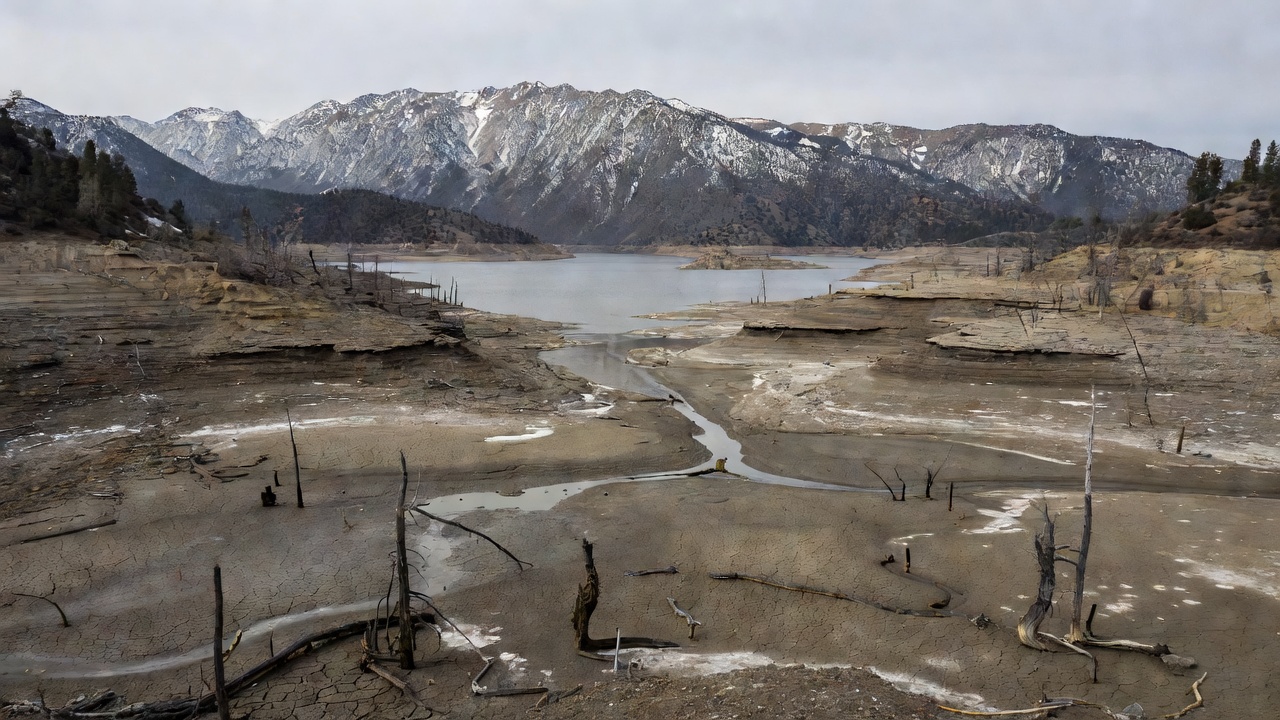
Warmer spring temperatures have triggered record early snowmelt across the Sierra Nevada, placing unusual pressure on California's reservoir system this season. Snowpack that typically persists into June has largely disappeared by mid-May, shifting peak runoff weeks ahead of historical averages and complicating water management strategies.
Reservoir Operations Under Pressure
State water officials report that major reservoirs including Shasta and Oroville have seen inflows surge earlier than expected. Without sufficient storage capacity to capture the accelerated melt, some facilities have been forced to release water to prevent overflow, reducing reserves available for summer and fall. Agricultural districts downstream are already adjusting irrigation schedules in anticipation of tighter supplies later in the year. Hydrologists note that the timing mismatch between snowmelt and peak demand periods increases evaporation losses and strains conveyance infrastructure designed for more gradual seasonal flows.
Groundwater recharge efforts have also been affected. Early runoff often moves through river systems too quickly to percolate into aquifers, limiting natural replenishment. This compounds existing challenges from prolonged drought cycles and rising urban demand. Monitoring stations across the Central Valley show soil moisture levels declining faster than normal, signaling potential stress on both surface and subsurface water resources.
Climate-Driven Shifts in Timing
Long-term temperature trends are the primary driver behind the observed changes. Average spring temperatures in the Sierra have risen more than two degrees Fahrenheit since the 1980s, accelerating melt rates even when total snowpack volume appears near normal. Researchers tracking snowmelt patterns emphasize that future seasons may see even greater variability, requiring updated forecasting models and infrastructure investments. Reservoir operators are exploring adaptive release protocols and expanded forecasting partnerships with meteorological agencies to better align storage with shifting runoff windows. Without such adjustments, water reliability for agriculture, hydropower, and municipal use could face increasing uncertainty in coming decades.