Rafael Long · 2 September 2026
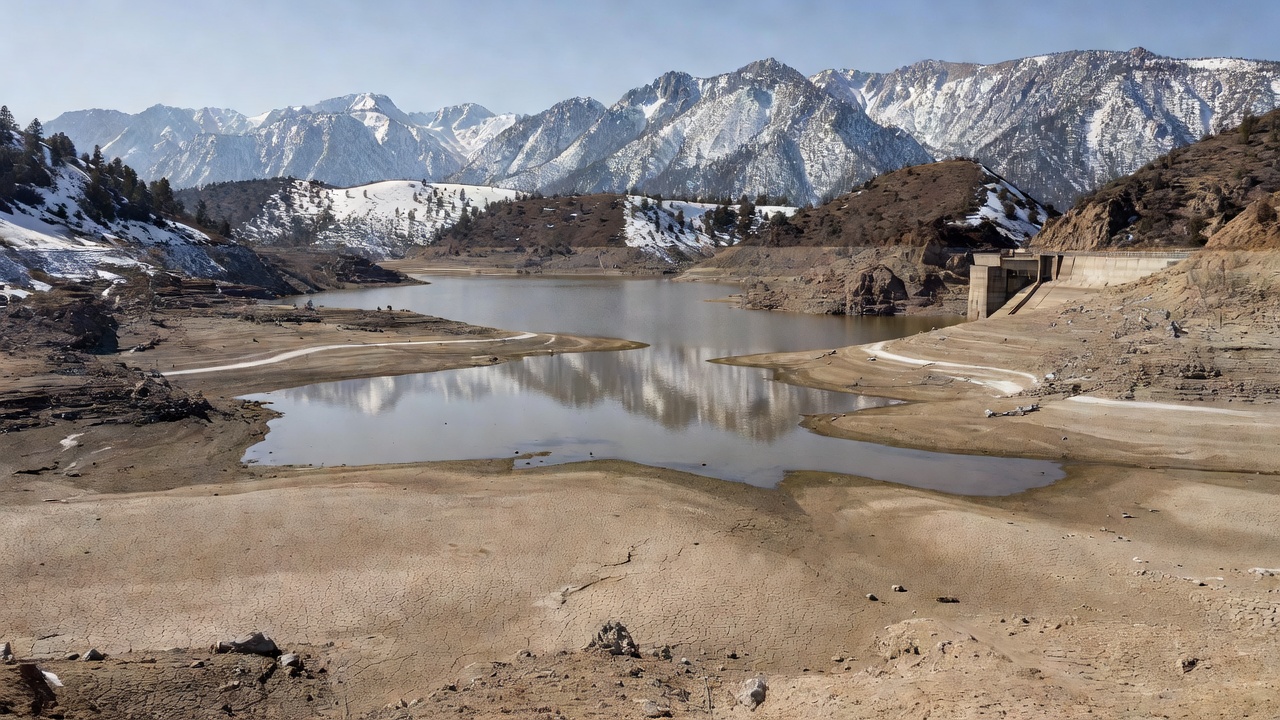
California is facing record early snowmelt this season, with mountain snowpacks depleting weeks ahead of historical averages due to elevated temperatures linked to climate change. This shift has reduced the natural timing of water releases into key reservoirs, creating management challenges for state water agencies. Reservoir operators report lower storage levels than expected for mid-spring, raising concerns about summer supply reliability across agricultural and urban regions.
Reservoir Operations Under Pressure
State hydrologists note that the Sierra Nevada snowpack peaked at only 78 percent of normal before rapid warming triggered accelerated melt rates. Reservoirs such as Shasta and Oroville have seen inflows surge prematurely, forcing releases to prevent overflow while limiting capture for later use. Water managers have adjusted allocation models to account for the compressed snowmelt window, prioritizing flood control over long-term storage. Agricultural districts dependent on these supplies are already revising irrigation schedules, with some projecting shortfalls if dry conditions persist into summer. Monitoring data from the Department of Water Resources indicate that several major reservoirs sit below 65 percent capacity, a level typically observed later in the year.
Engineers are evaluating infrastructure upgrades, including expanded spillway capacity and improved forecasting tools that incorporate real-time temperature trends. These adjustments aim to mitigate risks from increasingly variable melt patterns observed over the past decade.
Climate-Driven Shifts in Water Timing
Long-term climate projections suggest continued advancement of peak snowmelt dates by up to three weeks by mid-century under moderate warming scenarios. Such changes disrupt the historical synchronization between snowmelt and peak demand periods, amplifying drought vulnerability. Researchers emphasize the need for diversified water sources, including expanded groundwater recharge and recycled water programs, to buffer against these timing mismatches. Public agencies continue to track snow water equivalent measurements closely, updating seasonal outlooks as new temperature data emerge. Coordinated interstate efforts are also examining shared reservoir strategies to address regional imbalances stemming from the altered hydrologic cycle.