Olivia Lehmann · 2 September 2026
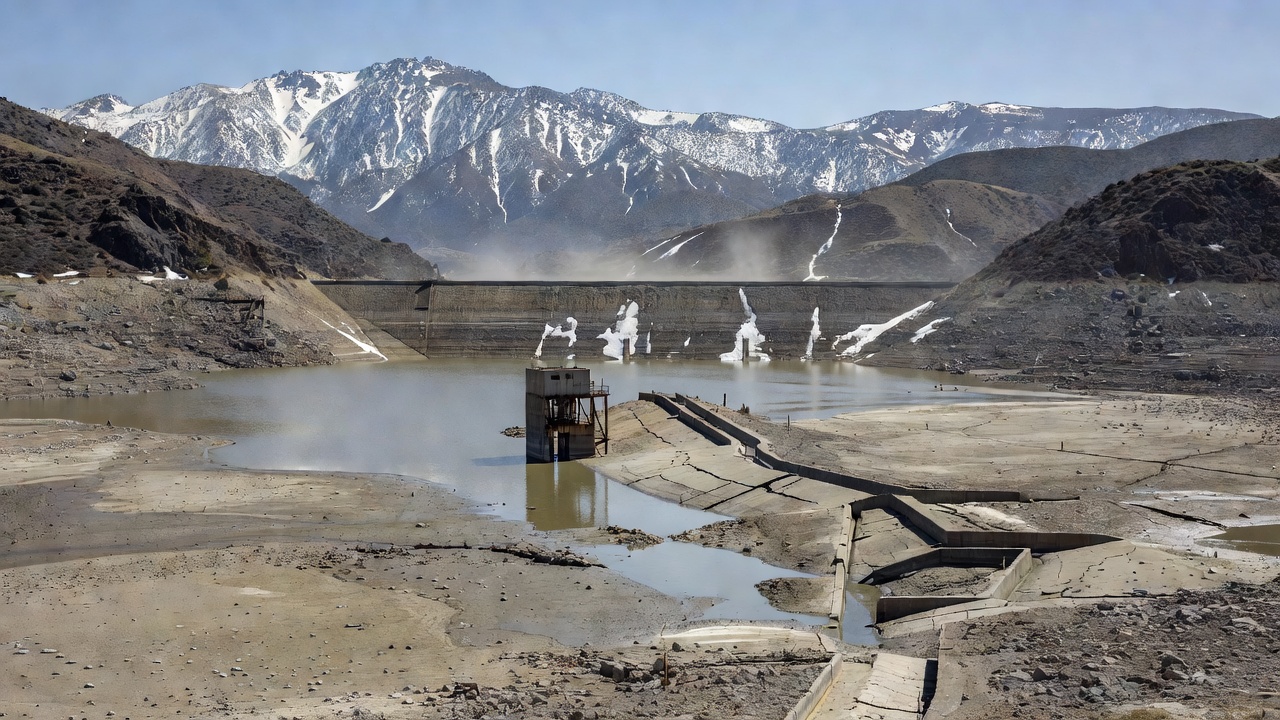
California is experiencing record early snowmelt this season, placing significant pressure on reservoir levels across the state. Warmer than average winter temperatures have accelerated the melting of the Sierra Nevada snowpack, causing rivers to swell ahead of schedule. Water managers report that inflows to major reservoirs like Shasta Lake and Lake Oroville have peaked earlier than historical norms, raising concerns about storage capacity for the dry summer months ahead.
Reservoir Management Challenges
Operators at the California Department of Water Resources have adjusted release schedules to prevent overflow, but early depletion risks leaving supplies short later in the year. Snowpack measurements from April surveys show levels at just 65 percent of average, with melt rates 20 percent higher than the long-term mean. This shift disrupts traditional water allocation models that rely on gradual spring runoff to replenish storage. Agricultural users in the Central Valley face uncertainty as irrigation demands rise, while urban districts in Southern California monitor allocations closely. Hydrologists note that rain-on-snow events have further hastened the process, converting potential snow storage into immediate runoff that bypasses reservoirs when capacity is limited.
Broader Climate Patterns
Scientists attribute the accelerated timeline to ongoing warming trends that reduce the duration of cold periods needed to maintain snow cover. Data from the National Snow and Ice Data Center indicate that peak snow accumulation now occurs nearly two weeks earlier than in the 1980s. These changes compound existing stresses from prolonged drought cycles, prompting calls for infrastructure upgrades such as expanded groundwater banking and improved forecasting tools. State officials continue to evaluate contingency plans, including voluntary conservation measures, to mitigate potential shortages. Long-term projections suggest that without adaptive strategies, early snowmelt will become a recurring factor in California water management.